Use Cases
Enabling adoption in the age of AI and intelligent automation.
Modern Change Management Use Cases Stratus Edge positions itself as a leader in AI, robotics, and cloud-driven evolution through strategic change management. We go beyond system upgrades to redefine decision-making, role structures, and culture, transforming complex automation into high-performance cultural assets.
AI-Powered Decision Intelligence (Banking / Insurance / Enterprise) AI-powered decision intelligence uses machine learning to augment human expertise, automating complex strategic actions in credit, fraud, and underwriting.
Scenario: An organization deploys AI for:
- • Credit scoring
- • Fraud detection
- • Claims automation
- • Predictive underwriting
- • Customer segmentation
Change Risks:
- • Employee distrust of AI outputs
- • Fear of job displacement
- • Overreliance or underutilization
- • Ethical and governance concerns
- • Leadership misalignment on accountability
Change Interventions:
- • AI trust-building workshops
- • Human-AI decision governance frameworks
- • Role redesign and capability mapping
- • Responsible AI communication campaigns
- • AI oversight training for risk teams
Outcome:
Employees shift from “AI skepticism” to “AI-augmented decision-making.
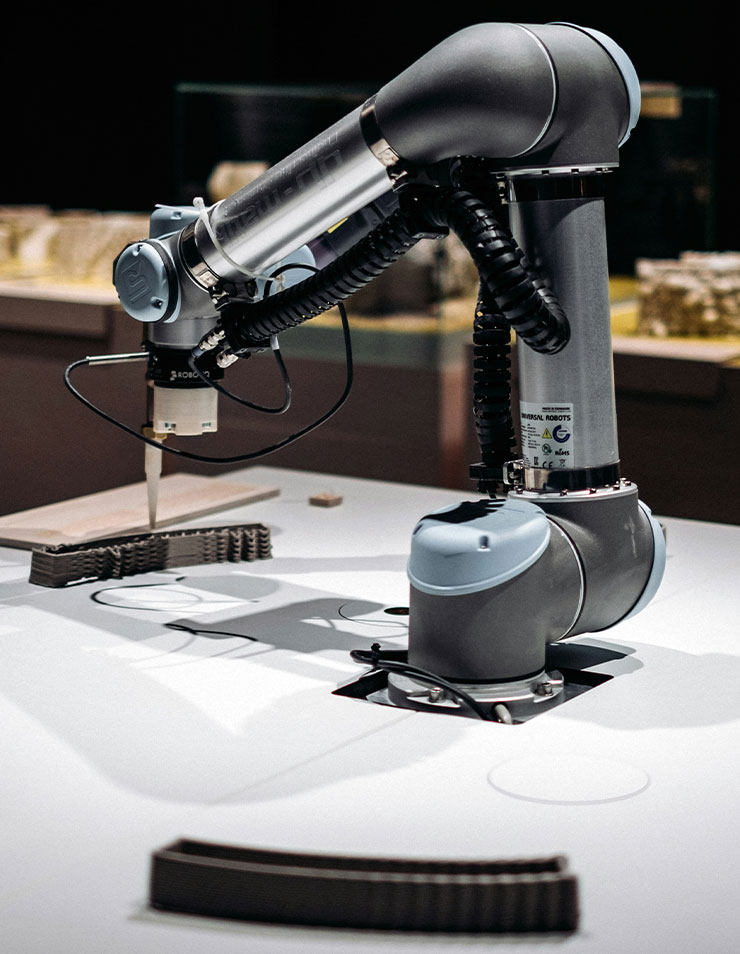
Robotics Process Automation (RPA) & Intelligent Automation Automation handles high-volume tasks like reporting and reconciliations, freeing consultants to focus on high-value strategic insights.
Scenario:
- Reconciliations
- Claims processing
- Data entry
- Compliance reporting
- Workforce anxiety
- Process ownership confusion
- Shadow IT workarounds
- Resistance from middle management
- Workforce transition strategy
- Clear role evolution mapping
- Automation literacy training
- Change champion networks
- Productivity impact tracking
Automation becomes a productivity enhancer — not a workforce threat.

Generative AI Adoption (Copilots, Chatbots, Internal AI Assistants)Deploying bespoke bots for clients that act as a "Digital Consultant," allowing them to interact with project findings and final reports via a natural language interface.
Scenario: Organization introduces:
- • AI copilots
- • Internal knowledge assistants
- • Generative AI for document automation
- • Customer chatbots
Change Risks:
- • Data privacy concerns
- • Misuse of AI tools
- • Over-dependence on AI-generated content
- • Inconsistent adoption across teams
Change Interventions:
- • AI usage policy frameworks
- • Governance & ethical AI training
- • Prompt engineering capability programs
- • AI productivity measurement dashboards
- • Leadership role modeling
Outcome:
AI becomes institutionalized responsibly and strategically.
Cloud Transformation & DevOps ModernizationMoving beyond "Lift and Shift" to "Refactor and Re-architect." We help clients leverage microservices and serverless computing to lower operational costs and increase agility.
Scenario: Migration from legacy systems to cloud-native architecture.
- IT team skill gaps
- Legacy mindset resistance
- Loss of control perception
- Security concerns
- Cloud readiness assessments
- DevOps capability upskilling
- Cloud governance education
- Cultural shift from “infrastructure control” to “service enablement”
Cloud is embraced as strategic agility — not infrastructure risk.

Data & Analytics Culture TransformationImplementing intelligent pipelines that clean, validate, and categorize raw data automatically, ensuring that executive decisions are never based on "dirty" or outdated information.
Change Risks:
- • Poor data literacy
- • Low dashboard usage
- • Decisions still made on intuition
- • Data ownership disputes
Change Interventions:
- • Data literacy programs
- • KPI alignment workshops
- • Executive analytics enablement sessions
- • Performance-linked dashboard adoption targets
Outcome:
Shift from opinion-led to data-driven culture.
Digital Workforce Transformation (Human + AI Collaboration) Automation handles high-volume tasks like reporting and reconciliations, freeing consultants to focus on high-value strategic insights.
Scenario:
- AI tools
- Automation bots
- Human review layers
- Redefined accountability confusion
- Process fragmentation
- Resistance to role restructuring
- Workforce redesign frameworks
- Capability re-skilling strategy
- Change impact simulations
- Performance metrics realignment
A hybrid workforce model with clarity, trust, and efficiency.


Cybersecurity & Zero Trust AdoptionWe bridge the gap between high-level security architecture and the daily reality of managing thousands of dynamic identities.
Scenario: Implementation of Zero Trust architecture, MFA, strict governance protocols.
Change Risks:
- • User frustration
- • Workarounds
- • Compliance fatigue
Change Interventions:
- • Security awareness campaigns
- • Executive risk communication
- • Behavior reinforcement strategies
- • Adoption metrics tracking
Outcome:
Security becomes cultural behavior — not imposed policy.
Strategic Themes Across All AI & Automation Use CasesModern change management must now address:
- AI governance, explainability, transparency.
- Reskilling, role redesign, job redefinition.
- Responsible AI and compliance integration.
Tracking actual system usage, not training attendance.
Executives must understand AI sufficiently to govern it.
How SECAF™️ Applies to AI & RoboticsThrough the Stratus Edge Change Accelerator Framework:
- Define AI governance & ethical guardrails
- Design workforce capability strategy
- Upskill and build AI literacy
Monitor AI usage adoption
Optimize AI-human collaboration model